Back to Blog
Material Guide•
How to Choose the Right Copper for Jewelry Making - A Shop-Floor Perspective
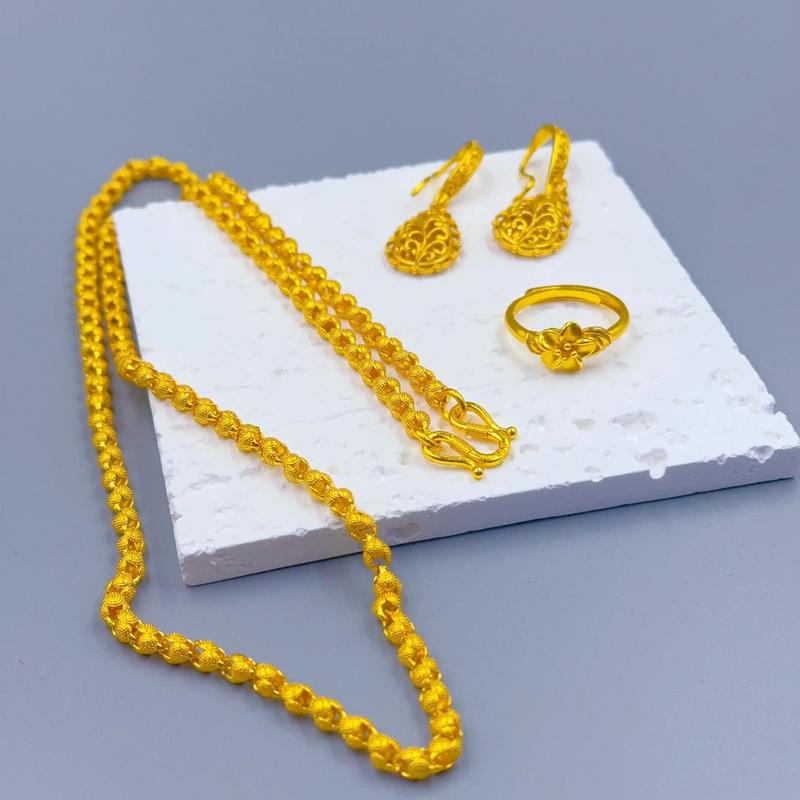
Over the years, I've seen more sourcing headaches come from picking the wrong copper alloy than from bad designs. People send a CAD file, ask for a quote, and then we start making samples – and halfway through we realize the material they chose doesn't work for the finish they want, or it turns green on skin, or the plating won't stick.
So let me break down the four main copper materials we use in the shop. No textbook fluff - just what works and what doesn't.
This is 99%+ copper. It's soft, very malleable, and takes a hammer texture beautifully. If you're going for a rustic, hammered, or deliberately oxidized look, pure copper is your friend. It darkens quickly in air and turns that classic reddish-brown then greenish over time – some people love that.
But here's the catch: it's too soft for fine detail work. Small prongs, sharp edges, or intricate filigree will bend or break during polishing. And if you plate it, the plating often lifts because copper moves differently than the plated layer. Unless you're making art pieces where oxidation is part of the aesthetic, I'd avoid it for production runs.
Brass (copper-zinc) is what most jewelry factories use every day. It's hard enough to hold fine detail, casts and stamps well, and polishes to a bright golden color. It's also cheap and easy to machine.
Two issues you must know:
First, it tarnishes. Fast. Unless you plate it - and plate it properly - your customers will see black spots within weeks. A good plating job (thick, with a barrier layer) can keep brass bright for a long time. But plating costs money, and some buyers try to skip it to save a few cents. I always tell them: you'll pay more in returns than you save.
Second, nickel content. Many brass alloys contain nickel, and some people react to it. If you're making earrings, necklaces, or rings that touch skin, use nickel-free brass (check the mill cert) or make sure the plating is thick enough to act as a barrier. Even then, I'd still label it as "brass with plating" and avoid claiming it's hypoallergenic.
Don't let the name fool you - there's no silver in it. It's copper-nickel-zinc, and it has a natural white-grey tone that looks a lot like sterling silver, especially when polished. It's harder than brass, takes a good polish, and resists corrosion better than brass.
We use it for pieces that need a silver-like finish without the precious metal cost. It also oxidizes slower than brass, so some clients use it unplated for a "raw silver" vibe.
Same nickel caution here - if it touches skin and the buyer has a nickel allergy, you'll get complaints. Plate it or clearly disclose the material.
Bronze (copper-tin) is harder than brass, and when it oxidizes, it goes greenish-grey rather than black. That patina is desirable for certain vintage or steampunk styles, but it's not for everyone. We use it mostly for men's accessories, cufflinks, or decorative hardware that won't sit against skin all day.
The price is higher than brass, and it's a bit trickier to cast, so I'd only recommend it if the design explicitly calls for that color tone.
Here's the short version:
- Fine details, high polish, and consistent color? → Brass with good plating.
- Hammered, rustic, or intentionally aged look? → Pure copper (unplated) or bronze.
- Silver look without the silver price? → Nickel silver, but watch the nickel.
- Heavy, durable, and low-maintenance? → Bronze, if you like the patina.
But more important than material alone is the whole package: material + plating + surface finish + usage. I've seen beautiful designs fail because they picked the right material but the wrong plating thickness, or they plated over a copper alloy that was never meant to be plated.
If you're selling to end consumers, assume they'll wear it in the shower, sleep in it, and never take it off. So design for that. Use brass or nickel silver with a proven plating system, test for nickel release (EN 1811), and always include a care card.
For wholesale and OEM orders, the safest route is to let us run a small sample batch with your chosen material and finish. Wear-test it for a week – see how it holds up against sweat, water, and everyday friction. Then decide if it's ready for bulk.
That's how we avoid surprises. And honestly, that's how we've kept our clients coming back for years.
If you have a sketch or reference piece, send it over. I'll tell you which copper alloy fits your budget and design – and we can make a sample to prove it.
So let me break down the four main copper materials we use in the shop. No textbook fluff - just what works and what doesn't.
1. Pure Copper (Red Copper)
This is 99%+ copper. It's soft, very malleable, and takes a hammer texture beautifully. If you're going for a rustic, hammered, or deliberately oxidized look, pure copper is your friend. It darkens quickly in air and turns that classic reddish-brown then greenish over time – some people love that.
But here's the catch: it's too soft for fine detail work. Small prongs, sharp edges, or intricate filigree will bend or break during polishing. And if you plate it, the plating often lifts because copper moves differently than the plated layer. Unless you're making art pieces where oxidation is part of the aesthetic, I'd avoid it for production runs.
2. Brass - The Workhorse
Brass (copper-zinc) is what most jewelry factories use every day. It's hard enough to hold fine detail, casts and stamps well, and polishes to a bright golden color. It's also cheap and easy to machine.
Two issues you must know:
First, it tarnishes. Fast. Unless you plate it - and plate it properly - your customers will see black spots within weeks. A good plating job (thick, with a barrier layer) can keep brass bright for a long time. But plating costs money, and some buyers try to skip it to save a few cents. I always tell them: you'll pay more in returns than you save.
Second, nickel content. Many brass alloys contain nickel, and some people react to it. If you're making earrings, necklaces, or rings that touch skin, use nickel-free brass (check the mill cert) or make sure the plating is thick enough to act as a barrier. Even then, I'd still label it as "brass with plating" and avoid claiming it's hypoallergenic.
3. Nickel Silver (German Silver) - The Silver Lookalike
Don't let the name fool you - there's no silver in it. It's copper-nickel-zinc, and it has a natural white-grey tone that looks a lot like sterling silver, especially when polished. It's harder than brass, takes a good polish, and resists corrosion better than brass.
We use it for pieces that need a silver-like finish without the precious metal cost. It also oxidizes slower than brass, so some clients use it unplated for a "raw silver" vibe.
Same nickel caution here - if it touches skin and the buyer has a nickel allergy, you'll get complaints. Plate it or clearly disclose the material.
4. Bronze - For That Antique Feel
Bronze (copper-tin) is harder than brass, and when it oxidizes, it goes greenish-grey rather than black. That patina is desirable for certain vintage or steampunk styles, but it's not for everyone. We use it mostly for men's accessories, cufflinks, or decorative hardware that won't sit against skin all day.
The price is higher than brass, and it's a bit trickier to cast, so I'd only recommend it if the design explicitly calls for that color tone.
5. So Which One Should You Pick?
Here's the short version:
- Fine details, high polish, and consistent color? → Brass with good plating.
- Hammered, rustic, or intentionally aged look? → Pure copper (unplated) or bronze.
- Silver look without the silver price? → Nickel silver, but watch the nickel.
- Heavy, durable, and low-maintenance? → Bronze, if you like the patina.
But more important than material alone is the whole package: material + plating + surface finish + usage. I've seen beautiful designs fail because they picked the right material but the wrong plating thickness, or they plated over a copper alloy that was never meant to be plated.
6. The Hard Truth About Copper Jewelry
If you're selling to end consumers, assume they'll wear it in the shower, sleep in it, and never take it off. So design for that. Use brass or nickel silver with a proven plating system, test for nickel release (EN 1811), and always include a care card.
For wholesale and OEM orders, the safest route is to let us run a small sample batch with your chosen material and finish. Wear-test it for a week – see how it holds up against sweat, water, and everyday friction. Then decide if it's ready for bulk.
That's how we avoid surprises. And honestly, that's how we've kept our clients coming back for years.
If you have a sketch or reference piece, send it over. I'll tell you which copper alloy fits your budget and design – and we can make a sample to prove it.
jewelry materialscopper alloysbrassbronzenickel silverOEM jewelry